Home

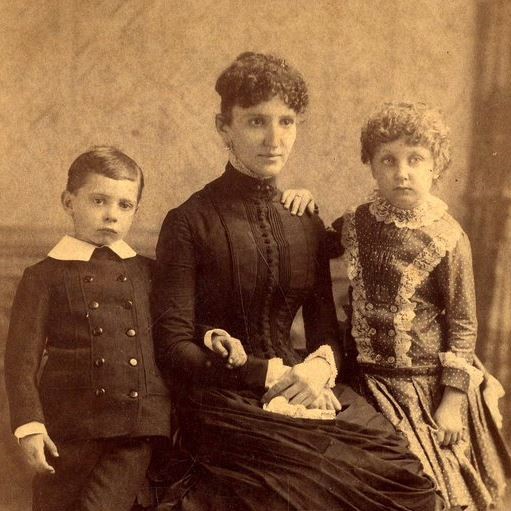
Young boy and girl standing next to their mother who is seated.

Become A Member

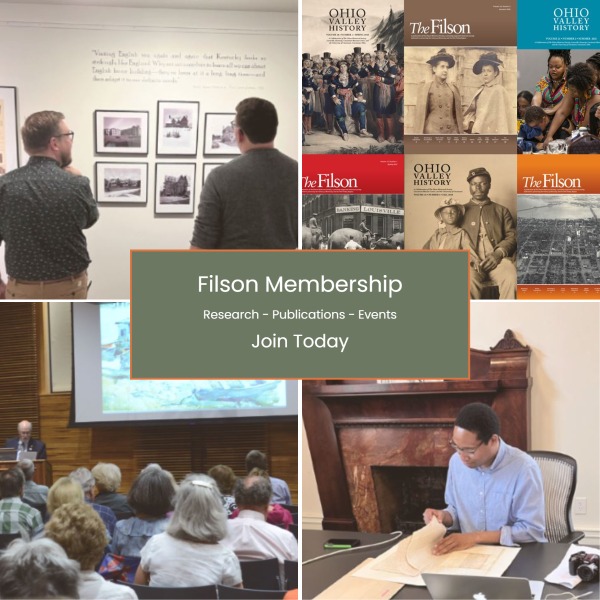
All members receive free or reduced admission to events, subscriptions to Filson publications, and research access, all while supporting local history preservation.

Join Today

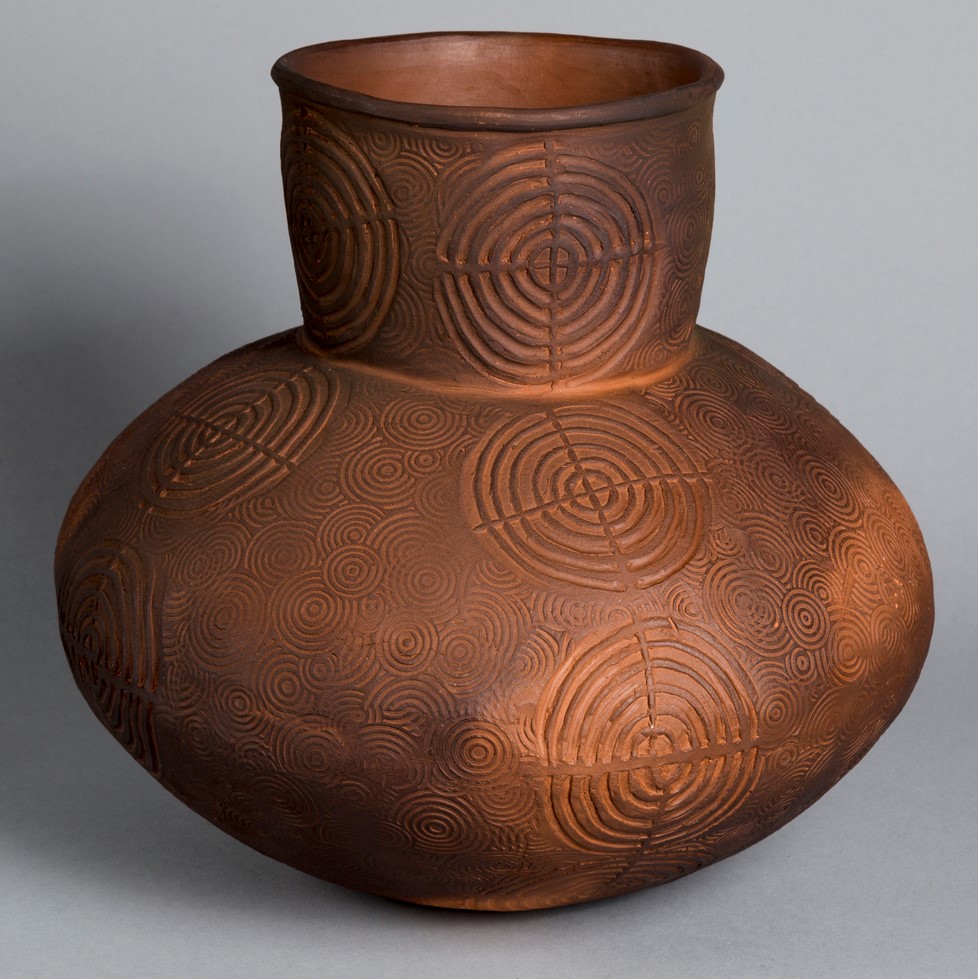
A brown clay pot with circular patterns covering its surface, giving a textured appearance.

Make a Gift

Your financial contribution provides powerful support for everything the Filson does, including historical preservation, educational programs, publications, and exhibits.

Donate

Become A Member

All members receive free or reduced admission to events, subscriptions to Filson publications, and research access, all while supporting local history preservation.

Join Today

Make a Gift

Your financial contribution provides powerful support for everything the Filson does, including historical preservation, educational programs, publications, and exhibits.

Donate

Featured Event

The Gertrude Polk Brown Lecture Series

Lineage: Genealogy and the Power of Connection in Early America

Date: September 3rd 6:00 – 7:00 PM

Location: Actors Theatre of Louisville

In eighteenth-century America, genealogy was more than a simple record of family ties–it was a powerful force that shaped society. Lineage delves into an era where individuals, families, and institutions meticulously documented their connections. Whether driven by personal passion or mandated by churches, local governments, and courts, these records appeared in diverse forms-from handwritten notes and account books to intricate silk threads and enduring stone carvings. /span>

Family connections wielded significant influence across governmental, legal, religious, cultural, and social spheres. In the American context, these ties also defined the boundaries of slavery and freedom, with a child’s status often determined by their mother, despite the prevailing patriarchy. This book reveals the profound importance of genealogy that was chronicled by family records, cultural artifacts, and court documents. These materials, created by both enslaved individuals seeking freedom and founding fathers seeking status, demonstrate the culturally and historically specific nature of genealogical interest. 

Karin Wulf is the Director and Librarian of the John Carter Brown Library and Professor of History at Brown University. A historian of “Vast Early America,” she earned her PhD from Johns Hopkins University and was the Executive Director of the Omohundro Institute of Early American History & Culture and Professor of History at William & Mary. She has also taught at American University and Old Dominion University. The author or editor of prize-winning scholarship on gender, family, and politics, she writes regularly for both public and academic audiences about early American history, the humanities, and archives and libraries.

Current Exhibits

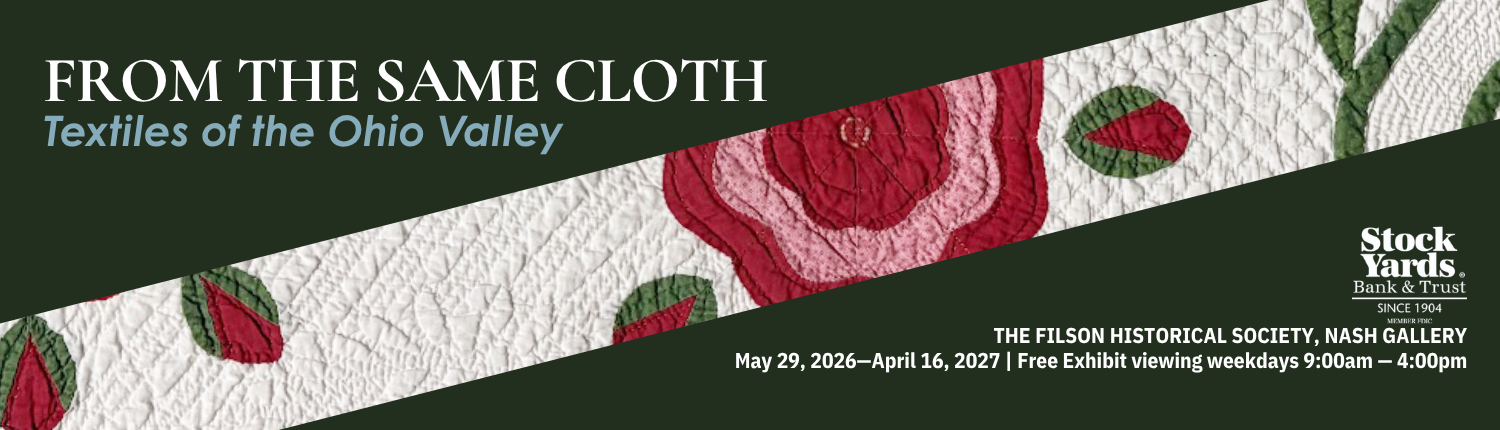
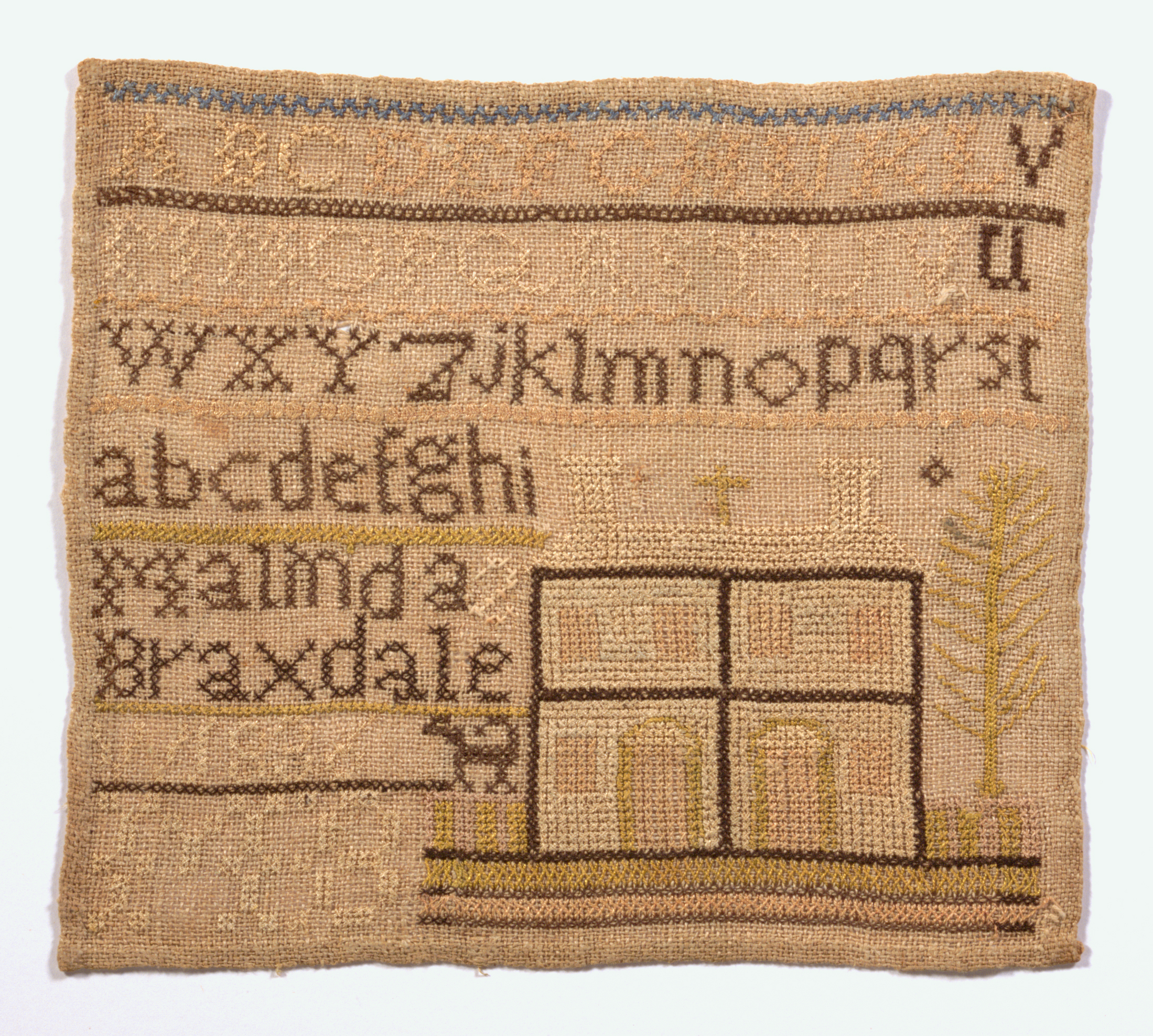
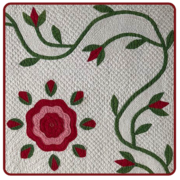
From the Same Cloth (Nash Gallery) Each stitch in a quilt, coverlet, or sampler tells a story—a story of physical necessity, artistic expression, and cultural tradition. From the Same Cloth: Textiles of the Ohio Valley explores 250 years of textiles and the diverse narratives they share. Through historic and contemporary works, this exhibit reveals how fiber arts express identity and connect families across time. As our nation reflects on its 250 year history, we invite you to come experience that history woven into the rich fabric of the Ohio Valley.
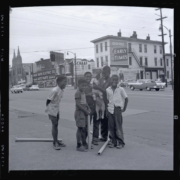
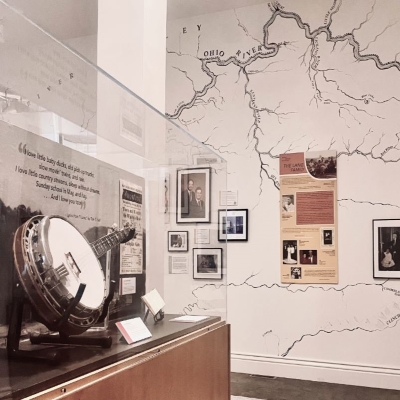
Five smiling children stand on a city street holding a dog. Background features vintage cars and storefronts, creating a nostalgic urban scene.This… Is Black Louisville (Carriage House) For over 200 years, African American people have shaped the city’s social, political, and cultural fabric. Beginning with free Blacks migrating from rural Kentucky in search of work, safety and community, their population surged between 1870 and 1900. Today, they make up about 24% of the city’s population. This…Is Black Louisville celebrates the resilience, creativity, and enduring impact of the Black experience in forming the River City’s identity.

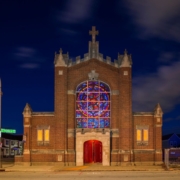
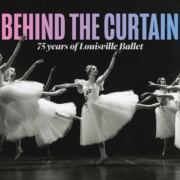
A small brick church with a large, colorful stained glass window and a red door is illuminated at night, creating a warm and inviting glow.History Inspires Showcase (Carriage House) In 2023, we launched the History Inspires Fellowship to encourage makers of all kinds – visual artists, musicians, poets, quilters, dancers, and more – to use the collection as inspiration for new creative work. So far, seven artists have participated in this program. Over the coming months, our History Inspires spotlight exhibition will individually showcase their projects.

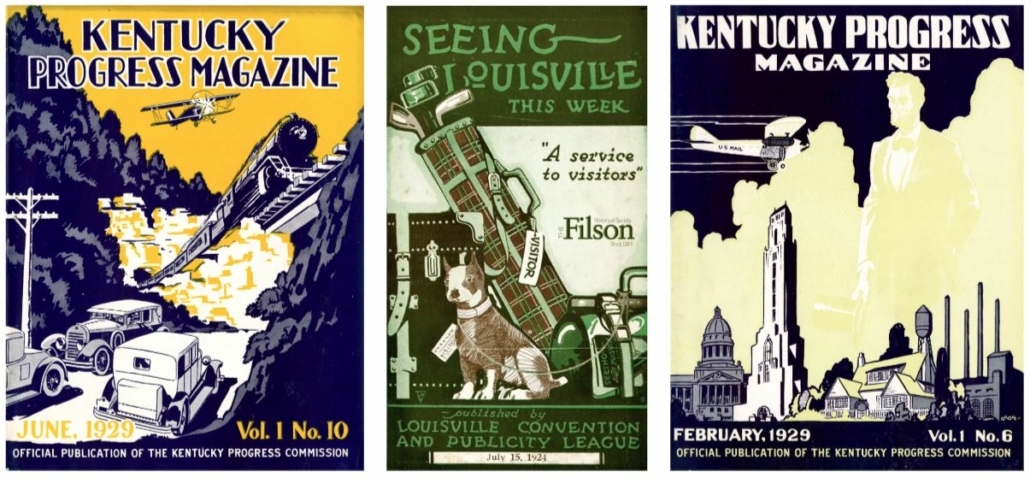
Three vintage magazine covers that the Filson holds in its collections.

Inspired by history?  Wear It.

Check out our online store to get T-shirts, posters, and more.

Your purchase supports the Filson’s mission of collecting, preserving, and sharing the history and culture of the Ohio Valley Region.

Ferguson Mansion Tour

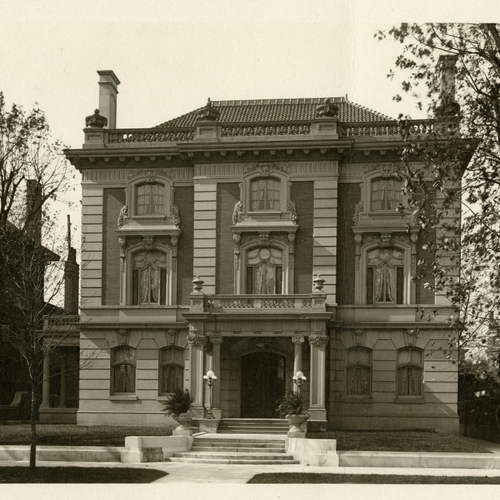
The Mansion finished for the Edwin Hite Ferguson family in 1905 is now the home of the Filson Historical Society.  Edwin Hite Ferguson commissioned the Louisville architectural firm Cobb and Dodd—the same firm responsible for designing the Seelbach Hotel and the Kentucky capitol building—to design his home in 1901. Learn more about the Mansion’s history and architecture from our online exhibit or sign up for a tour today.

Front Entrance, Filson 1912
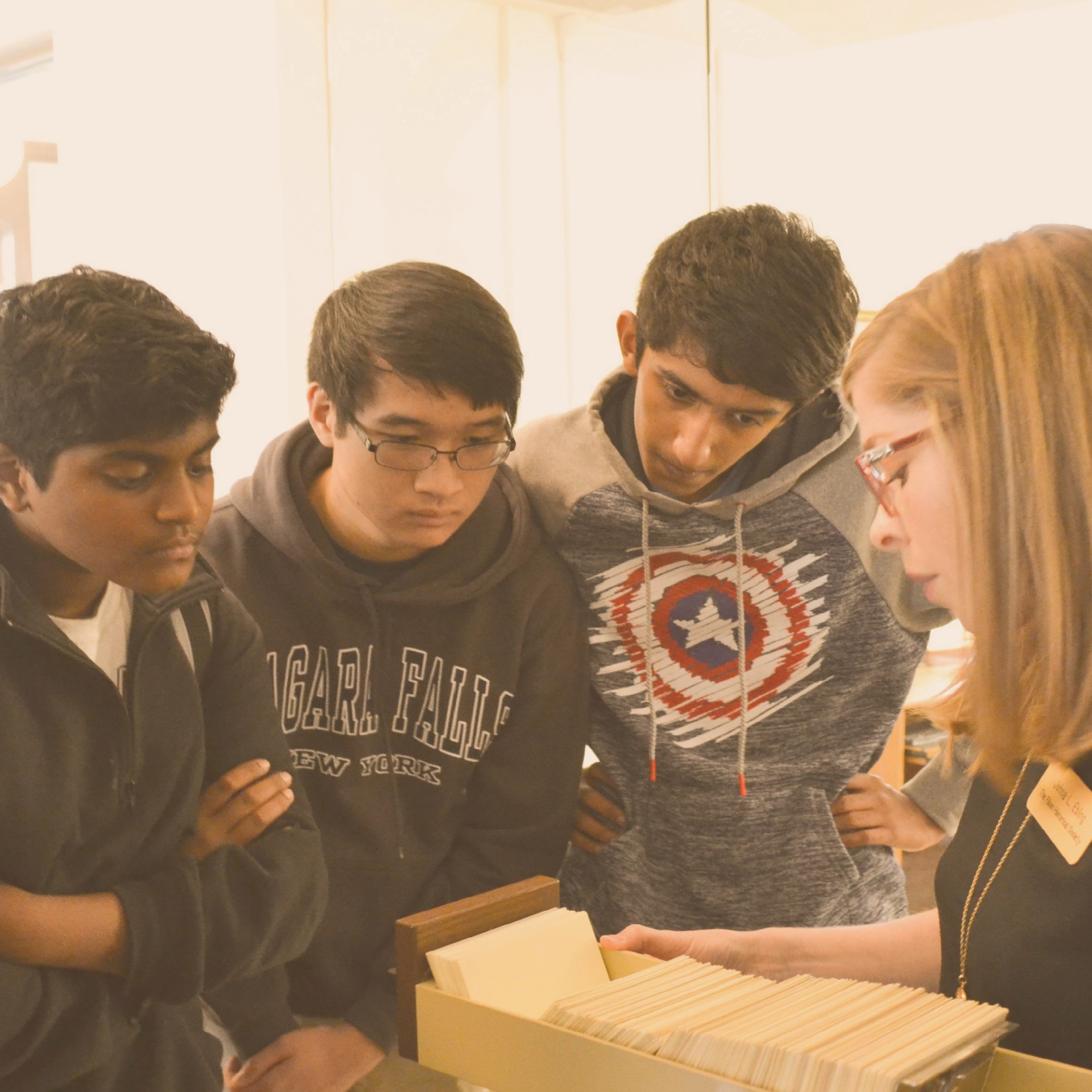
3 young researchers listening to a Filson staff member.

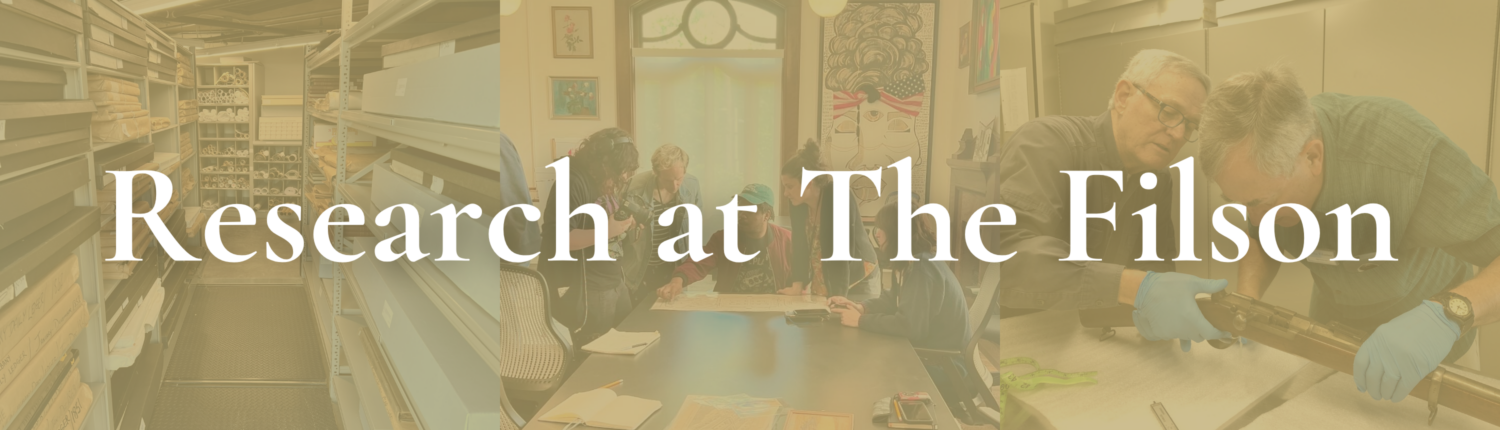
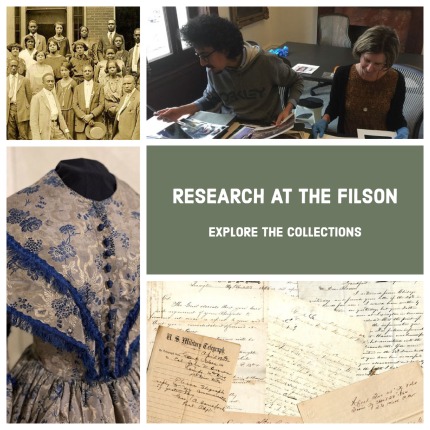
Research at the Filson

The Filson has been collecting for almost 140 years, preserving the history of Kentucky and the Ohio Valley in order to share it with current and future generations. We welcome in-person and remote researchers to explore this website to discover our access points and to find answers to their questions!  Set up a research appointment at the Filson, email our reference desk, or explore our collections online.