Upcoming Events

Upcoming Events

Please see below for details and descriptions of upcoming events at the Filson.  All event times are in EST or EDT depending on the season.  Click here to register and pay for programs, tickets are required. Filson members will need to log in to access the member pricing for events.  Many of our past events can be viewed on the Filson YouTube Channel.  If you have any issues with registering via our ticketing solution please call (502) 635-5083.

Recent Filson events have regularly been reaching our capacity limits.  If members or non-members wish to attend an event please register beforehand.  We cannot guarantee a space for walk ups on the day of the lecture.  

Placemaking and Placetaking: Economic Development in Louisville

Date: August 13, 2026
Time: 5:30 pm - 6:30 pm
Location: Baird, 500 W. Jefferson St., Ste. 700, Louisville (In Person Only)
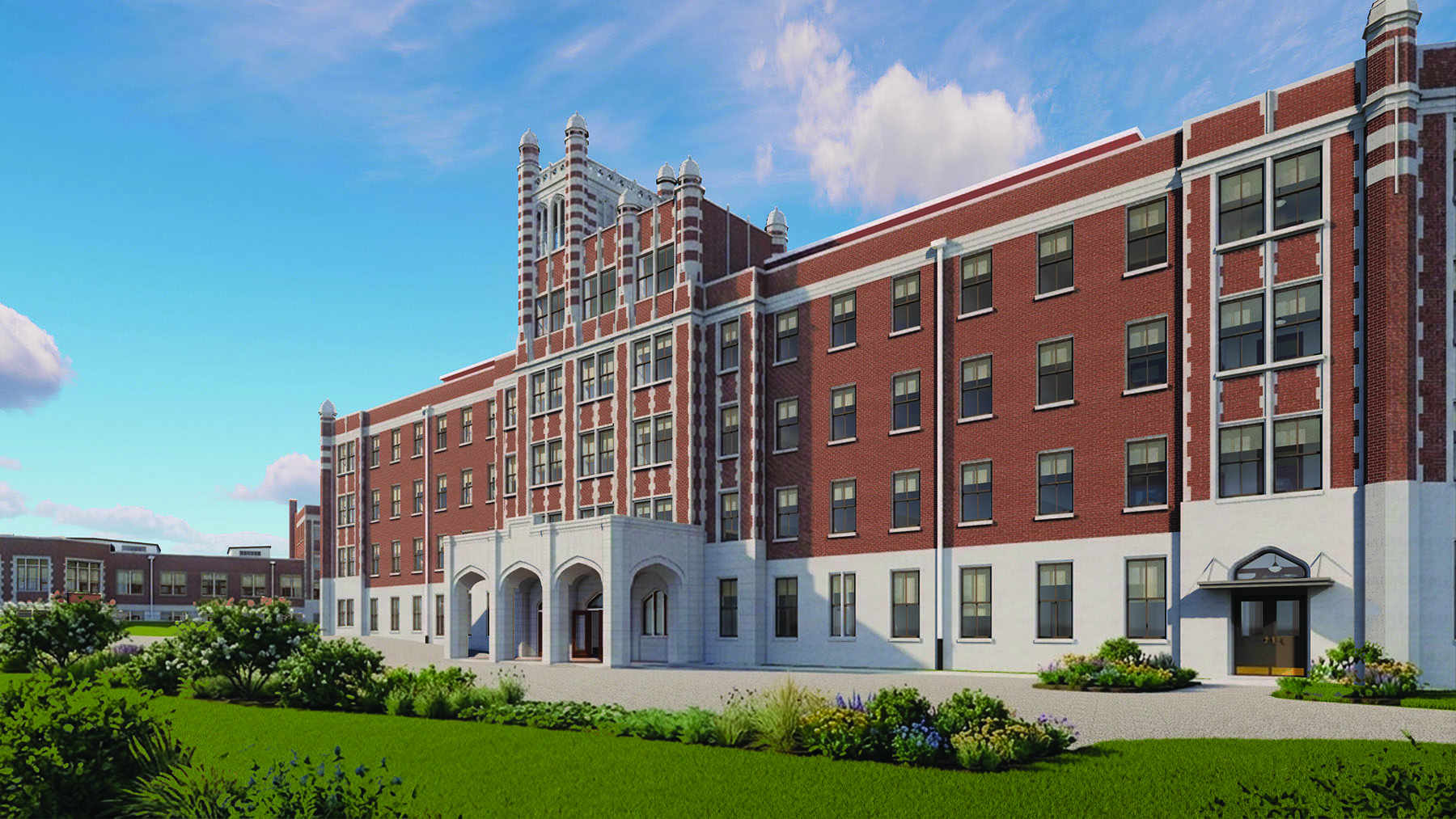
OmniTopFloorTour–PEARL+14
Photo credit: Marty Pearl

Limited tickets available – register today!

Join the Filson Historical Society for an important discussion on the role of economic and community development in both revitalizing and deconstructing a population’s identity of place and community. For more than 100 years the rise and fall of businesses both large and small have coincided with historic investment and disinvestment in neighborhoods across Louisville. While macroeconomic factors have contributed to these periods, this panel will discuss the role of government in driving periods of significant revitalization and economic growth, and thinly veiled discrimination across multiple populations.

Our discussion will consider the importance of place to a community and relationship between a population’s growth and success to these economic development actions.

70 Years of Progress and Action: How the St. James Court Art Show Transformed a Neighborhood

Date: August 19, 2026
Time: 4:00 pm - 6:00 pm
Location: The Filson Historical Society (In Person Only)
IMG_9244

Press conference: 4:00 pm
Program: 5:30 pm

The Filson is honored to partner with the St. James Court Art Show for a retrospective panel discussing the origins of the Art Show, neighborhood and community impact, and the evolution of this nationally renowned festival. Come hear from neighborhood historians, art show participants, and community partners about the importance of placemaking and community throughout history on a local level.

Filson Day at Oxmoor

Date: August 22, 2026
Time: 1:00 pm - 4:00 pm
Location: Oxmoor Farm (In Person Only)
Oxmoor58

Join the Filson Historical Society and Oxmoor Farm for an opportunity to explore more than two centuries of life at Oxmoor through the stories of the women who made, maintained, and transformed the site across generations. Drawing from manuscripts, photographs, and other materials preserved at the Filson, this year’s program will explore the lives of women who occupied very different roles in society and reveal how their labor, creativity, resilience, and leadership shaped Oxmoor over more than two centuries.

Oxmoor resident Thomas W. Bullitt was one of the Filson’s ten charter members, and the relationship between the two institutions has remained close since 1884. Today, that partnership continues through shared programming and the preservation of the extensive Bullitt family collections held at the Filson. Filson Day at Oxmoor is an open house where visitors can tour the historic home and grounds while engaging with staff, volunteers, and special displays that bring these stories to life.

Dine & Dialogue – Thy Will Be Done: George Washington’s Legacy of Slavery and the Fight for American Memory

Date: August 27, 2026
Time: 6:00 pm - 7:00 pm
Location: The Filson Historical Society, 1310 S. 3rd St. (In Person and Zoom options available)
Thy Will Be Done_08272026

How should we remember George Washington’s entanglement in slavery? Americans have argued over that question for nearly 250 years. More than any other Founding Father, Washington’s ties to slavery have vexed us. He enslaved more people than any of his fellow founders, yet he was the only one of them to emancipate the people he held in bondage. Since his death, Americans have grappled with this contradiction, shaping, and reshaping our collective memory of Washington and slavery—along with our understanding of the nation.

As debates about the founders’ participation in the system of slavery continue to roil public discourse, Marks shows with new clarity that Americans have never collectively reconciled Washington’s conflicted legacy. By truly grappling with Washington’s role as enslaver and emancipator, we may come to better understand the nation and ourselves.

John Garrison Marks is a historian, writer, and author of Black Freedom in the Age of Slavery.

For those who purcase a lecture and dinner ticket: dinner will be held at the Filson immediately following the lecture.

The Gertrude Polk Brown Lecture Series – Lineage: Genealogy and the Power of Connection in Early America

Date: September 3, 2026
Time: 6:00 pm - 7:00 pm
Location: Actors Theatre of Louisville, 316 West Main Street, Louisville (In Person and Virtual options available)
9780197553220_WEB

In eighteenth-century America, genealogy was more than a simple record of family ties–it was a powerful force that shaped society.Lineagedelves into an era where individuals, families, and institutions meticulously documented their connections. Whether driven by personal passion or mandated by churches, local governments, and courts, these records appeared in diverse forms-from handwritten notes and account books to intricate silk threads and enduring stone carvings. 

Family connections wielded significant influence across governmental, legal, religious, cultural, and social spheres. In the American context, these ties also defined the boundaries of slavery and freedom, with a child’s status often determined by their mother, despite the prevailing patriarchy. This book reveals the profound importance of genealogy that was chronicled by family records, cultural artifacts, and court documents. These materials, created by both enslaved individuals seeking freedom and founding fathers seeking status, demonstrate the culturally and historically specific nature of genealogical interest. 

Even as the American Revolution transformed society, the significance of genealogy endured. The legacy of lineage from the colonial period continued to shape the early United States, underscoring the enduring importance of family connections.Lineageoffers a deep understanding of genealogy as a foundational element of American history, illuminating its vital role from the colonial era through the birth of the nation.  

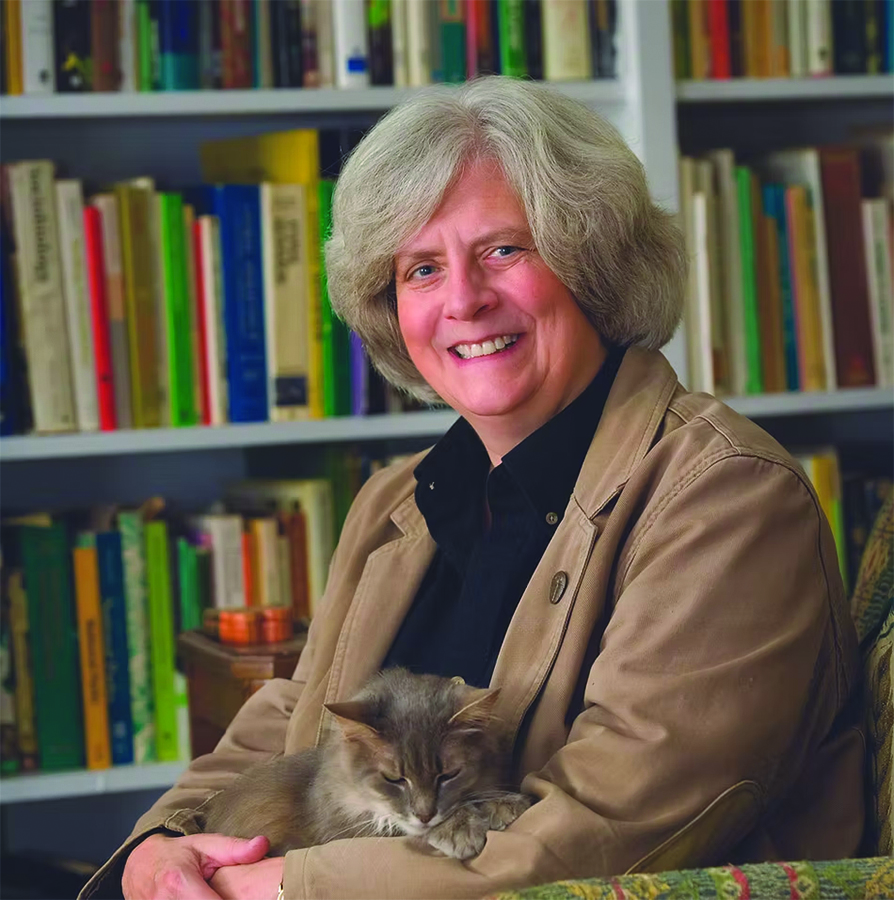
Karin Wulfis the Director and Librarian of the John Carter Brown Library and Professor of History at Brown University. A historian of “Vast Early America,” she earned her PhD from Johns Hopkins University and was the Executive Director of the Omohundro Institute of Early American History & Culture and Professor of History at William & Mary. She has also taught at American University and Old Dominion University. The author or editor of prize-winning scholarship on gender, family, and politics, she writes regularly for both public and academic audiences about early American history, the humanities, and archives and libraries.